
Best {beaches/trails/parks/lake-spots} in Kailua-Kona
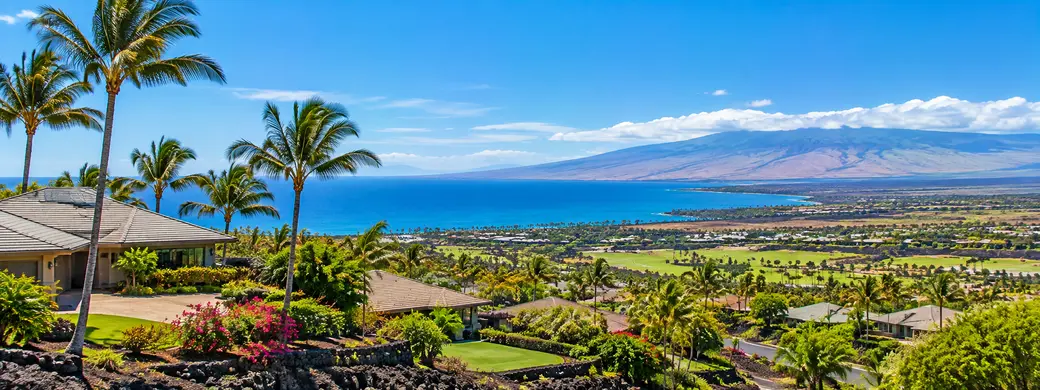
The best beaches, trails, parks, and coastal water spots in Kailua-Kona center on bays, lava-coast walks, recreation areas, and protected shoreline rather than inland lakes. Whether you want a quiet morning near the water, a natural-surface walk, or room for children to play, this Hawaiʻi County census-designated place offers outdoor options close to daily life. Julie Wettstein has spent years helping people put down roots here, and these local outdoor spots help explain why many residents choose to stay.
Outdoor Highlights in Kailua-Kona
- Public green spaces: Kailua-Kona has county recreation areas, beach parks, playgrounds, and protected coastal landscapes rather than one centralized municipal park system. (Hawaiʻi County Parks & Recreation)
- Coastal trails: Shoreline routes feature natural lava, historic sites, fishponds, and coastal habitat, especially at Kaloko-Honokōhau National Historical Park.
- Beaches and bays: Public access includes downtown swimming coves, snorkeling beaches, and wider sandy shoreline north of town. (Hawaiʻi County and Hawaiʻi Division of State Parks)
- Protected landscapes: Kaloko-Honokōhau preserves Hawaiian fishponds, wetlands, cultural sites, and lava-lined coastline.
- Popular gathering spot: Old Kona Airport Beach Park is a familiar setting for shoreline walks, pavilion gatherings, sunsets, and casual beach time. (Hawaiʻi County Parks & Recreation)
The Best Beaches in Kailua-Kona
Kailua-Kona has beaches for swimming, snorkeling, scenic beach days, and easy sunset stops.
Kamakahonu Beach sits beside Kailua Bay and is a convenient option for families and newer snorkelers. Its compact, protected cove is often gentler than more exposed shoreline areas, and the downtown setting places amenities close by. Morning is usually the most comfortable time for a quieter visit and easier parking.
Kahaluʻu Beach Park is a reef-focused destination for snorkeling and marine-life viewing when conditions are calm. Its rocky shoreline and shallow reef reward careful water entry, so it is best for visitors prepared for uneven footing. Check posted notices before visiting, because Hawaiʻi County closes the park each year for cauliflower coral spawning. In 2026 the closure ran May 1 through May 10, and dates are announced annually.
Maniniʻōwali Beach at Kua Bay brings bright sand, lava-rock scenery, restrooms, and a paved approach within Kekaha Kai State Park. It suits a longer beach day when the ocean is calm, although surf can change quickly. As of October 2026, non-Hawaiʻi residents ages 4 and older pay $5 for entry, children age 3 and under enter free, and noncommercial vehicle parking is $10. Hawaiʻi residents with valid ID enter free. (Hawaiʻi Division of State Parks)
Old Kona Airport Beach Park is a better fit for a shoreline walk, picnic, or sunset than for a relaxed swim. Its pavilion and restrooms make it practical for groups looking for an unfussy coastal stop.
Top Trails in Kailua-Kona
Kailua-Kona's most memorable trails are coastal cultural walks with lava terrain, heat, and limited shade.
Ala Kahakai National Historic Trail includes coastal walking routes through Kaloko-Honokōhau National Historical Park. The route between ʻAiʻōpio Fishtrap and Kaloko Fishpond crosses sand and uneven lava, making it best for walkers interested in history, shoreline scenery, and wildlife. Start early, bring water, and pause near the fishponds for shorebird viewing. The National Park Service notes there is no water available in the park.
Māmalahoa Trail is a rugged historic route across lava terrain that reflects the area's former travel and ranching landscape. It is better suited to confident walkers than to anyone expecting a groomed fitness path. Check the current National Park Service trail map for the appropriate route, distance, access conditions, and recommended parking before setting out.
Ala Mauka-Makai Trail is described by the National Park Service as the park's most popular trail. It starts at the visitor center and runs roughly 0.8 mile to the coast, ending near ʻAiʻōpio Fishtrap. Its natural surface and cultural context work for families and casual walkers prepared for uneven terrain.
ʻAiʻōpio Fishtrap access route provides a manageable walk from the park's south entrance, reached through the harbor road, toward the shore. It can work well for families because the destination comes quickly, but lava and sand still call for sturdy footwear. Visit in the morning, when the open shoreline is cooler and more comfortable.
Best Parks and Green Spaces in Kailua-Kona
Kailua-Kona's parks range from multi-use recreation facilities to coastal spaces for gathering and nature viewing.
Kailua Park is the district-scale recreation hub, with a playground, the Kona Community Aquatic Center pool, outdoor courts, sports fields, walking areas, picnic features, and restrooms. It suits young families, fitness-minded visitors, and groups that want several activities in one stop.
Old Kona Airport Beach Park, within the broader Kailua Park area, combines shoreline views with a pavilion and restrooms. It works well for sunset walks, casual picnics, and group gatherings, particularly for visitors who prefer to enjoy the coast from land when ocean conditions are uncertain.
Kaloko-Honokōhau National Historical Park is the largest natural setting in this guide, with fishponds, historic trails, beaches, wetlands, and coastal habitat. It is especially rewarding for walkers, wildlife viewers, and visitors interested in the area's cultural landscape.
Coastal Waterways Worth Exploring in Kailua-Kona
Kailua-Kona's recreational waterways are bays and coastal shorelines rather than inland lakes.
Kailua Bay is the most convenient central waterfront setting. Kamakahonu Beach offers a small swimming and beginner-snorkeling area when ocean conditions are calm, making it a practical choice for a shorter outing near town.
Kahaluʻu Bay is a reef-centered spot for snorkeling and marine-life observation. The rocky shoreline requires care, and visitors should enter only when conditions are suitable. Reef-conscious practices and posted seasonal restrictions help protect this sensitive area.
Kaloko-Honokōhau offers beaches, fishponds, and historic shoreline features rather than a conventional boating destination. The ʻAiʻōpio Fishtrap and nearby coastal paths are worthwhile for walking and viewing the ocean, cultural resources, and habitat. Swimming should always depend on current surf and ocean conditions.
Outdoor Spots Compared
| Name | Type | Best For | Facilities | Admission/Fee |
|---|---|---|---|---|
| Kamakahonu Beach | Beach | Families, newer snorkelers | Downtown setting, nearby amenities | No listed beach admission fee |
| Kahaluʻu Beach Park | Beach | Snorkeling, reef observation | Beach-park setting | No listed beach admission fee |
| Maniniʻōwali Beach at Kua Bay | Beach | Swimming when calm, beach days | Restrooms, paved approach | Non-residents ages 4+, $5 entry; children 3 and under free; $10 vehicle parking |
| Old Kona Airport Beach Park | Park | Walks, sunsets, picnics | Pavilion, restrooms | No listed park admission fee |
| Kailua Park | Park | Families, community recreation | Playground, pool, courts, sports fields | Varies by program or facility |
| Ala Kahakai National Historic Trail | Trail | Cultural walks, coastal scenery | Natural-surface shoreline route | No park entrance fee |
| Māmalahoa Trail | Trail | Historic lava-terrain walks | Uneven natural-surface route | No park entrance fee |
| Kaloko-Honokōhau National Historical Park | Park | History, wildlife viewing, coastal walks | Trails, fishponds, beach access | No park entrance fee |
Sources: National Park Service, Hawaiʻi County Parks & Recreation, and Hawaiʻi Division of State Parks.
Pro-Tip: Visit Kua Bay early in the morning, especially during warmer months, for cooler sand, more manageable parking, and calmer conditions more often than later in the day.
Seasonal Guide: When to Visit Each Type of Spot
Kailua-Kona supports outdoor time year-round, but rainfall, surf, wind, and heat should shape each plan. The wet season, generally October through April, brings more frequent clouds, rain showers, and changing ocean conditions across Hawaiʻi. Coastal walks, parks, and cultural sites remain good options, while beach plans should stay flexible.
Spring is useful for early beach mornings, park visits, and shorter trail outings before midday heat builds. It is also the time to watch for Kahaluʻu Beach Park closures during coral spawning.
The dry season, generally May through September, often favors early snorkeling, beach time, and sunrise walks when the ocean is calm. Exposed lava terrain can become intensely hot, so water, sun protection, and a morning start matter.
Early fall remains warm and appealing for water activities, though surf and weather still deserve attention. Hawaiʻi's broad wet and dry season pattern means conditions can shift quickly, especially along exposed shoreline. (National Weather Service)
Find Your Home Near Kailua-Kona's Best Outdoor Spots
Access to parks, trails, and open water is one of the first things buyers ask about, and Kailua-Kona offers plenty of choices close to daily life. Julie Wettstein of Island Homes, a Broker Associate affiliated with Real Broker, LLC, brings 30 years of real estate experience and a personal relocation background to that conversation. She can point you toward communities near the places in this guide, whether you're buying, or planning a sale and wondering how outdoor access factors into pricing and presentation.
Call or text (808) 345-6934, send email to hawaiihomes@hawaiijulie.com or send a message through the contact page
You can also browse Kailua-Kona homes for sale, or start with the free virtual buyer seminar if you're still learning how buying here works.
Frequently Asked Questions
What are the best outdoor activities in Kailua-Kona?
Snorkeling at Kahaluʻu Beach Park, calm-water swimming at Kamakahonu Beach, and coastal walking at Kaloko-Honokōhau National Historical Park are standout options. Old Kona Airport Beach Park is also an easy choice for sunset walks, picnic time, and shoreline views without entering the water.
Are there free parks or beaches in Kailua-Kona?
Yes, Kamakahonu Beach, Kahaluʻu Beach Park, Old Kona Airport Beach Park, Kailua Park, and Kaloko-Honokōhau National Historical Park have public access without a listed admission fee. Kua Bay is different: as of October 2026, non-Hawaiʻi residents ages 4 and older pay $5 for entry, children 3 and under are free, and noncommercial vehicle parking costs $10.
Are the trails in Kailua-Kona suitable for families and beginners?
Families can enjoy shorter walks near ʻAiʻōpio Fishtrap and along the Ala Mauka-Makai Trail at Kaloko-Honokōhau when everyone is prepared for uneven surfaces. Lava, sand, limited shade, sturdy footwear, water, and an early start are important for a comfortable outing.
What is the most popular park or green space in Kailua-Kona?
Old Kona Airport Beach Park is a well-known community destination because it combines shoreline access, a pavilion, and restrooms. Kaloko-Honokōhau National Historical Park is another strong choice for visitors seeking fishponds, historic trails, wildlife, and a more natural coastal setting.
When is the best time of year to enjoy the outdoors in Kailua-Kona?
Early morning is useful in every season because beaches and exposed trails are generally cooler and less crowded. May through September can be particularly appealing for beach plans during calm conditions, while October through April calls for closer attention to changing weather and surf.
Categories
Recent Posts