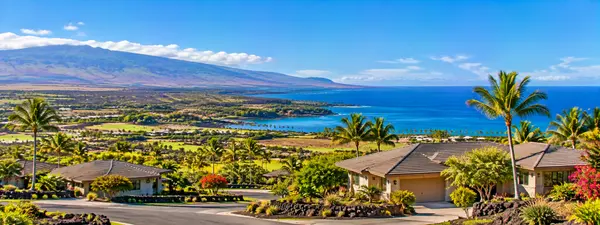

Moving Up From a Condo to a Single-Family Home in Kailua-Kona
Moving up from a condo to a single-family home in Kailua-Kona is one of the most rewarding steps a Big Island homeowner can take, and as of mid-2026, the timing is unusually favorable on both sides of the transaction. Condo inventory has expanded and pricing has softened, while single-family sellers are offering more flexibility than they have in years. Buyers who know their numbers are closing deals with genuine room to negotiate.
Why Kailua-Kona Condo Owners Are Making the Move Right Now
Two converging market forces make 2026 an unusually good time to act. Earlier in the year, condo supply had risen to roughly 6.4 months as of early 2026, and median price per square foot in the condo segment dropped around 9% year-over-year through the end of 2025 (aggregated MLS listing data, twelve months ending January 2026). Those earlier-year indicators set the stage for the conditions reflected in more recent data: by August 2026, the single-family segment was showing the kind of price flexibility that had not been common on the Kona coast in years.
On the single-family side, year-to-date data (August 2026) shows North Kona home sales up 8.64% compared to the same period in 2025, with a year-to-date median price of $1,185,000, down 5.58% year-over-year. Sellers are motivated. Well-prepared buyers are finding genuine negotiating room, particularly above the $1.5 million price point, where homes tend to sit longer before closing.
That combination, a softer condo exit paired with a more negotiable single-family entry, is a set of conditions that does not stay aligned indefinitely.
Understanding the True Cost: Condo HOA vs. Single-Family Ownership in Kona
The most common misconception in this conversation is that single-family homes are automatically more expensive on a monthly basis. Sometimes they are. Often, once you look at what your condo is actually costing you, the gap is smaller than it appears.
UHERO's Hawai'i Housing Factbook 2026 (University of Hawaii Economic Research Organization, May 2026) found that Hawaii ranks second in the nation for HOA fees, with a statewide median of $470 per month, and that an analysis of O'ahu listings showed a median advertised HOA fee of $882 per month, with the highest fees found in resort-style and older buildings facing deferred maintenance costs. Kailua-Kona resort-adjacent and oceanfront condos tend to land at the upper end of that range (aggregated MLS listing data, recent Kona listings), with monthly fees that can run well above the state median once building insurance, landscaping, pool maintenance, and utilities are bundled in.
That looks like a steep line item that disappears when you buy a house. In practice, single-family homeownership in a coastal tropical environment carries its own recurring costs, and in Kona those costs are real.
Here is what a Kailua-Kona single-family home typically requires on an ongoing basis:
| Monthly Cost Item | Kona Condo (resort-adjacent) | Single-Family Home |
|---|---|---|
| HOA / association fee | Typically well above state median of $470/mo | None (self-managed) |
| Landscaping | Included in HOA | $200–$300/mo |
| Building insurance | Included in HOA | Purchased separately |
| Pest and termite control | Often included | ~$100–$200/quarter |
| Roof reserve fund | Included in HOA | Recommended monthly set-aside |
| Exterior maintenance | Included in HOA | Every several years |
What changes most is the budget structure: instead of one bundled HOA payment, you manage individual line items and decide when and how to spend. For buyers currently paying high association fees, the monthly difference may be smaller than expected, and you gain full control over where each dollar goes.
For help modeling what a single-family mortgage would look like at your price point, the mortgage calculator on this site is a useful starting point.
What You Gain When You Make the Move to a Single-Family Home
Space and privacy top the list for most Kailua-Kona condo owners who eventually make this transition.
Room to spread out. Many single-family homes in Kona's mauka neighborhoods offer 1,500 to 3,000 or more square feet, with outdoor lanai space, garages, and yards that a condo building cannot replicate. If your household includes pets, children, surf gear, dive equipment, or a work vehicle, the square footage difference makes a real difference in daily life.
No shared walls. A single-family home gives you a fundamentally different kind of privacy from even the best-designed condo building.
Land. Hawaii's limited developable land has long been a defining feature of its real estate market. A single-family home gives you a parcel, and with the right zoning, that parcel can support future improvements, an accessory dwelling unit, or expanded outdoor living space.
Control over maintenance decisions. In a condo, you vote on building repairs but share outcomes with every other owner. In a house, you set the timeline, choose the contractor, and decide the quality standard.
Cooler microclimates. Many single-family neighborhoods sit at higher elevations, where mornings are noticeably cooler and the air feels different from the shoreline. Upper Keauhou, in the hills above Kailua-Kona, along with Kona Highlands and the area around Holualoa are known for this, as well as a greener, quieter setting that draws buyers away from the coastal corridor.
Kailua-Kona Single-Family Home Prices: What to Budget
Expect to budget at least $650,000 for an entry-level west side property, with mid-range homes generally falling between $900,000 and $1.5 million, and the year-to-date North Kona median at $1,185,000 through August 2026. The market covers a wide spread, and knowing the price tiers helps you focus your search.
| Price Tier | Typical Range | What to Expect |
|---|---|---|
| Entry-level | $650,000–$800,000 | Older construction, modest lot sizes, west side locations |
| Mid-range | $900,000–$1,500,000 | Ocean views, updated features, established subdivisions |
| Upper and luxury | $1,500,000+ | Oceanfront, large lots, premium finishes, most negotiating room in current market |
2026 reported a statewide single-family median of $950,000 for 2025, with Hawai'i County's overall figure at $465,000, a number that reflects the full county including lower-priced communities around Hilo, Puna, and Ka'u. As the Factbook itself notes, the Kona side's expensive neighborhoods are masked by that county-wide average.
For buyers in the $1.5M–$3M bracket, mid-2026 data shows the upper segment has offered genuine negotiating room, with typical price reductions running around 7% (aggregated MLS listing data, six months ending mid-2026) and homes sitting longer before closing. That dynamic favors a patient, well-prepared buyer.
You can browse single-family homes for sale in Kailua-Kona to get a current sense of what is available at each price point.
How to Coordinate Your Condo Sale and Your Purchase
The most effective approach is to get a current market valuation of your condo and confirm your financing capacity before you list, so both sides of the transaction move on your timeline, not the market's. A practical framework helps.
Start with a realistic assessment of your condo's value. In a market where condo inventory has risen and prices have softened, assumptions from 18 months ago may be off. A current market comparison from a local agent familiar with your specific complex and price range is the right starting point.
Understand your financing position before you list. Know what a simultaneous close or bridge loan would look like for your situation. Many Kailua-Kona move-up buyers negotiate a rent-back or extended escrow period to avoid a gap between transactions. These terms are more achievable in a buyer-favorable single-family market, where sellers have more incentive to accommodate a flexible timeline.
Target single-family homes listed 30 or more days. In the current environment, sellers of longer-sitting properties tend to be more genuinely motivated to negotiate. The Kailua-Kona market activity report on this site tracks current days-on-market data by price range.
Budget for closing costs on both sides. Hawaii's conveyance tax, lender fees, title insurance, and escrow add up. Budgeting 2%–3% of each transaction total for transaction costs alone is a sound starting point.
Evaluate the home's physical condition before making an offer. In Kona's coastal and tropical climate, the items that surface most often in due diligence are roof age, the type of wastewater system (particularly whether the property uses a cesspool, septic tank, or county sewer connection), permits for any additions or enclosed spaces, and pest history. Each of these can have significant impact on long-term ownership costs. Hawaii's statewide mandate requires all cesspools to be converted by 2050, so the wastewater system type is worth understanding clearly before you commit.
Kailua-Kona Neighborhoods Worth Knowing for the Move-Up Buyer
Kailua-Kona's single-family inventory is not one market. It is several, layered by elevation and lifestyle, and knowing which fits your household is often as important as knowing your budget.
Makai areas near the coast command premium prices for ocean proximity and walkability. They carry more weather exposure and typically higher insurance costs. This corridor suits buyers who prioritize beach access and a resort-adjacent pace of life.
Mid-elevation neighborhoods such as Kona Heavens, Kona Hills, Kona Vistas, Ali'i Heights, and Kaulana at Kona offer a balance of ocean views, established residential character, and somewhat more temperate conditions. These are a popular first step for condo owners moving up to a single-family home.
Upcountry and mauka areas in and around Holualoa provide larger lots, agricultural parcels, and a distinctly cooler, greener setting. Coffee farms, galleries, and sweeping views are part of the daily backdrop at this elevation. Buyers who want more land and genuine privacy often find their answer here. You can explore Holualoa listings and area details to get a feel for what is available at this elevation.
Thinking about making the move from your Kailua-Kona condo to a single-family home?
Julie Wettstein at Island Homes by "Scuba Julie", can walk you through your condo's current value, your single-family options by neighborhood, and how to structure both sides of the transaction.
Call/Text +1(808) 345-6934 or write a message through Island Homes contact page
Frequently Asked Questions
Is moving up from a condo to a single-family home in Kailua-Kona a smart move right now?
For buyers who are financially ready, the current market lines up well with a move-up strategy. Higher condo supply and softer condo pricing give sellers in that segment a realistic, if competitive, exit. On the single-family side, with North Kona's year-to-date median price down about 5.58% from a year ago and inventory growing, buyers have real leverage on entry. Both sides of the market tilting in the buyer's favor at the same time is relatively uncommon on the Kona coast.
How much more will I spend per month owning a single-family home in Kona?
The monthly gap between a condo and a house tends to be narrower than most people expect, particularly for owners already paying well above the statewide HOA median of $470 per month. What shifts most is not the total but the structure: a single bundled association payment gives way to separate line items covering landscaping, insurance, reserves, and pest control. Depending on the specific property, some move-up buyers find their all-in monthly outlay comparable to what they paid at their condo, with the added benefit of controlling where each dollar goes.
What price range should I budget for a single-family home in Kailua-Kona?
Entry-level options on the west side of the Big Island begin in the $650,000–$800,000 range for older construction or modest lot sizes. Mid-range homes with views and updated features typically fall between $900,000 and $1.5 million. Above that, the luxury and oceanfront segment extends well into the multi-million dollar range. The year-to-date North Kona median came in at $1,185,000 through August 2026, reflecting the area's significant premium oceanfront and resort-adjacent inventory (August 2026).
What should I review carefully before buying a single-family home in Kailua-Kona?
Kona's coastal and tropical conditions create maintenance demands specific to this environment. The items that carry the most weight in due diligence here are the roof's age and condition, whether the property is on a cesspool, septic system, or county sewer (Hawaii's 2050 cesspool conversion mandate makes this especially relevant), whether any additions or enclosed spaces have proper permits, and the property's pest and termite history. Getting clear answers on these before making an offer protects both your budget and your timeline.
Which Kailua-Kona neighborhoods make the most sense for buyers moving up from a condo?
The right fit depends on lifestyle priorities. Mid-elevation subdivisions like Kona Heavens, Kona Hills, and Kona Vistas offer established residential character and ocean views at a more accessible price point than the coastline. Buyers prioritizing land, privacy, and a cooler climate often gravitate toward the Holualoa area and upper Keauhou, in the hills above Kailua-Kona. Those who want the closest proximity to town, restaurants, and the water tend to focus on makai neighborhoods, accepting a higher entry cost for that convenience.
Categories
Recent Posts