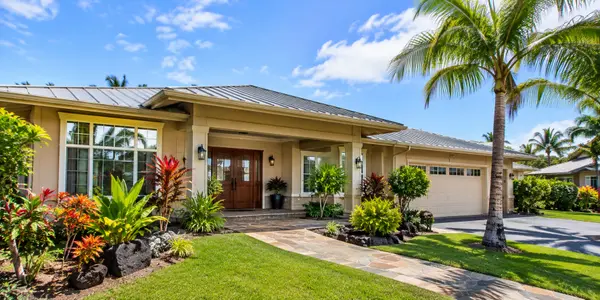

How to Sell Your Condo in Waikoloa: A Step-by-Step Guide
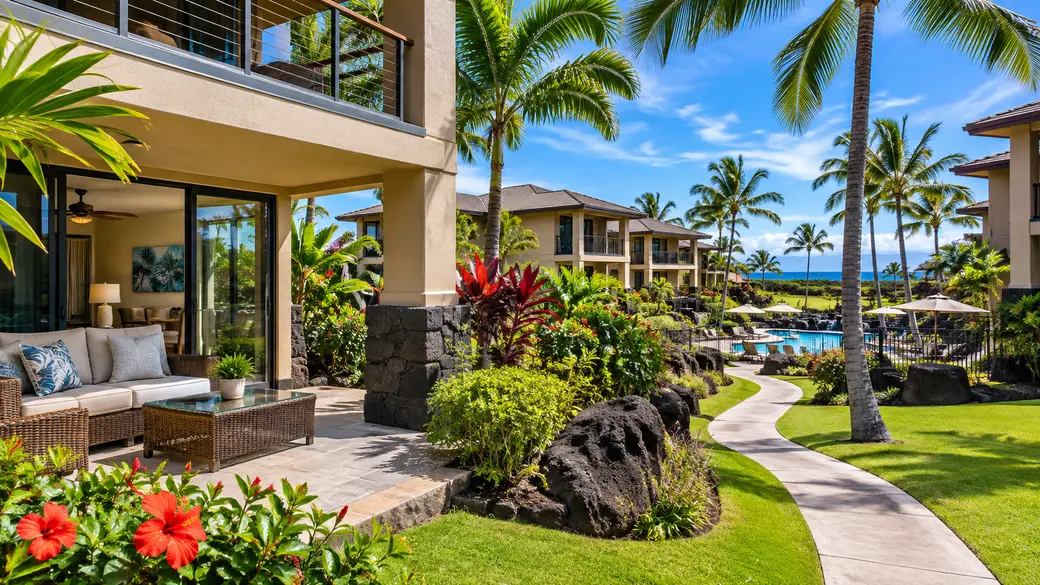
To sell your condo in Waikoloa effectively, gather association records early, price against truly comparable units, and present the features that differentiate your home. Waikoloa is a community area in South Kohala, Hawaiʻi County. When location details matter, distinguish Waikoloa Village, which the U.S. Census Bureau identifies as a census-designated place, from Waikoloa Beach Resort and the specific condominium community where your unit is located.
Selling a condo is different from selling a standalone home because buyers evaluate both the unit and the association. They may compare building rules, monthly dues, parking, amenities, views, rental policies, and the condition of shared areas alongside your interior finishes. A clear plan helps you answer those questions promptly and keep the sale organized from listing through closing.
Step 1: Request HOA Documents Early
Requesting current HOA documents early helps prevent delays when you sell your condo in Waikoloa. Buyers commonly want to review the condominium's rules, budget, insurance information, meeting minutes, reserve planning, parking arrangements, and transfer-related costs before moving forward.
Ask the association or managing agent for current records well before the listing goes live. Review them with your real estate professional so the listing accurately reflects monthly costs, included amenities, restrictions, and any project-specific procedures. The Hawaiʻi Department of Commerce and Consumer Affairs outlines condominium-owner resources and association record requirements under state condominium law (Hawaiʻi DCCA condominium resources).
A practical document package may include:
- Governing documents and house rules
- Current budget and financial statements
- Insurance information
- Recent meeting minutes
- Reserve-planning information, when available
- Parking, storage, and amenity-use rules
- Transfer fees and document-order fees
- Rental or short-term rental policies, if applicable
If your unit is within a larger resort or planned community, confirm whether more than one association, dues structure, or set of rules applies. Clear documentation helps buyers understand the property and reduces last-minute questions.
Step 2: Price Using Building and Nearby Comparables
The right list price comes from recent sales and active competition in your building first, followed by nearby condos with a similar buyer appeal. Reviewing Waikoloa condo listings currently on the market helps reveal the alternatives buyers can evaluate while your property is on the market.
A strong pricing review looks beyond price per square foot. It considers the unit's location within the project, condition, view corridor, outdoor space, furnishings where relevant, association costs, rental policies, and the competing listings buyers can see at the same time. Recent closed sales show where buyers have committed, while a free home valuation can provide useful context for positioning a listing within the broader local market.
Your price should also account for the specific Waikoloa setting named in the listing. Buyers considering a resort-area condo may weigh amenities, proximity to beaches or golf, and visitor appeal differently than buyers looking at a Waikoloa Village property. Building-specific positioning gives buyers a clearer reason to schedule a showing instead of waiting for another unit.
Step 3: Prepare and Stage the Unit
Preparing your condo means making the unit feel open, well-maintained, and easy to understand from the first photo. Small spaces benefit from fewer personal items, clear walkways, coordinated furnishings, and storage that looks functional rather than crowded.
Start with a practical walkthrough. Address visible maintenance items, clean windows and screens, brighten dim areas, and remove furniture that limits the sense of usable space. In kitchens and bathrooms, clear counters so buyers can focus on finishes and layout. Closets, cabinets, lanais, and storage areas should also be tidy because condo buyers often pay close attention to where everyday items will go.
Staging does not require stripping the condo of personality. The goal is to show how the space works, whether that is a dining area for daily meals, a flexible nook for work, or a lanai that expands the living area. If the unit is furnished, use a consistent and uncluttered presentation that supports its setting and price range.
Step 4: Highlight Views and Amenities
Your marketing should make the unit's best features clear before a buyer arrives. In Waikoloa, a condo's appeal may center on ocean, mountain, golf-course, garden, or sunset views, as well as access to pools, walking paths, beaches, shops, or resort amenities.
Professional photography should show the unit in flattering natural light while accurately representing its layout. Wide images help buyers understand room flow, while detail shots can support recent upgrades, distinctive finishes, or outdoor living areas. Video and virtual walkthroughs can be especially useful for buyers evaluating Waikoloa from off island.
Amenities deserve the same careful attention as the interior. Describe what is included, where it is located, and how it supports daily use. Rather than relying on broad claims, identify the features that distinguish your building and unit from nearby alternatives, and keep in mind what low-maintenance buyers compare across Waikoloa condos when you decide what to emphasize.
Step 5: Plan Showings
Well-planned showings help qualified buyers experience the unit and building without delays caused by access, parking, or association procedures. Confirm gate instructions, guest parking, elevator access, building-entry rules, amenity-tour policies, and advance-notice requirements before the first showing request arrives.
Create a showing plan with your agent that explains how visitors enter, where they park, whether someone must accompany them in common areas, and which amenities may be viewed during the appointment. If the unit is occupied, establish reasonable notice expectations and a simple routine for preparing the space.
During each showing, the condo should feel bright, comfortable, and quiet. Open blinds when a view is a selling point, turn on appropriate lighting, and keep the lanai accessible when conditions allow. Buyers are evaluating the home and the practical experience of arriving, parking, and moving through the property.
Step 6: Review Offers
The strongest offer is the one that best fits your price, timing, financing, and association-document priorities. Price matters, but it should be considered alongside the buyer's proposed closing date, deposit, financing strength, requested credits, and ability to meet condominium-related requirements.
For a condo sale, confirm when the buyer will receive the relevant association materials and how document delivery may affect the transaction timeline. Building-specific approvals, buyer review periods, financing conditions, and document requests can all affect the route to closing.
A simple comparison can help you assess each offer before responding:
| Offer term | What to compare |
|---|---|
| Price | Purchase price, credits, and expected net proceeds |
| Financing | Loan type, lender communication, and financing timeline |
| Deposit | Amount, delivery timing, and contract terms |
| Closing date | Whether the proposed date fits your move and transaction needs |
| Buyer requests | Requested credits, personal property, or other concessions |
| HOA documents and approvals | Delivery timing, review obligations, and any building procedures |
Reviewing terms side by side clarifies the buyer's financing, timing, and association-document obligations before you respond. This approach helps you make a deliberate decision based on the full offer, not the price alone.
Step 7: Close
Closing a Waikoloa condo sale requires coordinated handling of association charges, transfer requirements, final documents, and key delivery. Once the parties agree on contract terms, stay responsive to requests from escrow, the association, and your real estate team so routine details do not become last-minute obstacles.
Confirm how association dues, applicable special charges, document fees, transfer fees, and utility items will be handled. You should also verify the process for keys, parking passes, gate devices, mailbox keys, storage access, and amenity credentials. A written handoff list makes the final transition more organized.
If you are selling from off island, establish a communication schedule early. Remote sellers can remain informed by tracking milestones, signing documents as instructed, and promptly responding when additional information is needed.
Avoid Common Mistakes
Most condo-selling mistakes come from treating the unit as though it were a standalone house rather than part of a shared property. Waiting too long to request association records, using weak comparisons, overlooking storage and parking details, or describing amenities vaguely can all make buyers less confident.
Another common issue is pricing from a broad neighborhood average alone. Condo buyers typically compare projects closely and may notice differences in views, floor plans, dues, maintenance history, rules, parking, and access immediately. Your pricing strategy should reflect what buyers can purchase instead.
It is also important not to wait for an offer before organizing the details. Having records, access instructions, and transfer information ready gives you more control over the process and makes it easier to respond promptly when buyer interest arrives.
Selling your condo in Waikoloa is more manageable when you follow the steps in order: gather association documents, establish a building-specific price, prepare the unit, market its advantages, and plan for HOA timelines through closing. The free virtual seller seminar can help you organize the broader listing process while keeping your condominium community's requirements in focus.
Ready to Plan Your Waikoloa Condo Sale?
Condo sales go more smoothly when the building details are sorted out before the listing goes live. Julie Wettstein of Island Homes, a Broker Associate affiliated with Real Broker, LLC, has 30 years of real estate experience and a personal relocation background. She helps Waikoloa condo owners price against building comparables, prepare the unit, and keep association timelines on track through closing.
Connect through (808) 345-6934, hawaiihomes@hawaiijulie.com or send a message through the contact page
Frequently Asked Questions
How long does it take to sell a condo?
A condo sale timeline varies based on pricing, the building's appeal, buyer demand, and how efficiently association documents are delivered. Units priced against comparable properties and presented clearly can generate more focused interest than listings that leave buyers uncertain about fees, rules, parking, or amenities.
The contract-to-closing period also depends on financing, document review, and the agreed terms. Planning for building access and association procedures early gives you more flexibility as the transaction moves forward.
What documents do I need to sell a condo?
Condo sellers generally need property disclosures, title-related information, and current condominium association materials relevant to the transaction. Useful association records often include governing documents, house rules, financial information, insurance details, meeting minutes, parking rules, and information about transfer procedures.
The exact document package depends on the project and the sale terms. Gathering records before listing helps your agent and escrow team identify what must be delivered and when.
Do I need to stage my condo?
Staging is not required, but it can make the unit's scale, storage, and potential easier for buyers to understand. This can be particularly valuable when buyers are comparing several similar floor plans and deciding which home feels most functional.
Even light staging can improve presentation. Decluttering, cleaning, balancing furniture, and emphasizing natural light may make a meaningful difference in listing photos and showings.
Are there special fees to sell a condo?
Condo sales may involve association document charges, transfer-related fees, prorated dues, and other project-specific costs. The exact charges vary by condominium association and should be confirmed early with the managing agent or association representative.
Reviewing anticipated costs before accepting an offer helps you evaluate expected net proceeds and reduces surprises as closing approaches.
Categories
Recent Posts